

Extras, Stand-ins, Doubles and SPACTs: Roles Explained!
With brand new production briefs arriving daily, joining UVE means being presented with different kinds of opportunities to get onto set – from Background Artiste work, to spoken parts and even the chance to stand-in for an A-lister. (Exciting, right?)
That said, when starting out in the world of Extra work, you may see terms you’ve not seen before.

To help explain what each opportunity involves, let’s look at each one in a little more depth. That way, you can understand exactly what each role entails… knowledge is power, after all.
UVE generally deal with 6 different types of role:
| 🚶🏿♀️ | EXTRAS |
| 🔦 | FEATURED roles |
| 🎥 | STAND-INS |
| 👨✈️👨✈️ | BODY DOUBLES |
| 🥋 | STUNT DOUBLES / ‘SPACTs’ |
| 🤹 | SKILLED ARTISTES |
Firstly, let’s take a look at what each of these means…
🚶🏿♀️ Extras
This is the most common type of role that UVE Artistes will be presented with.
Extras help to create a realistic background. This may be behind principal cast members, or even in separate cutaway footage used to help set the scene.
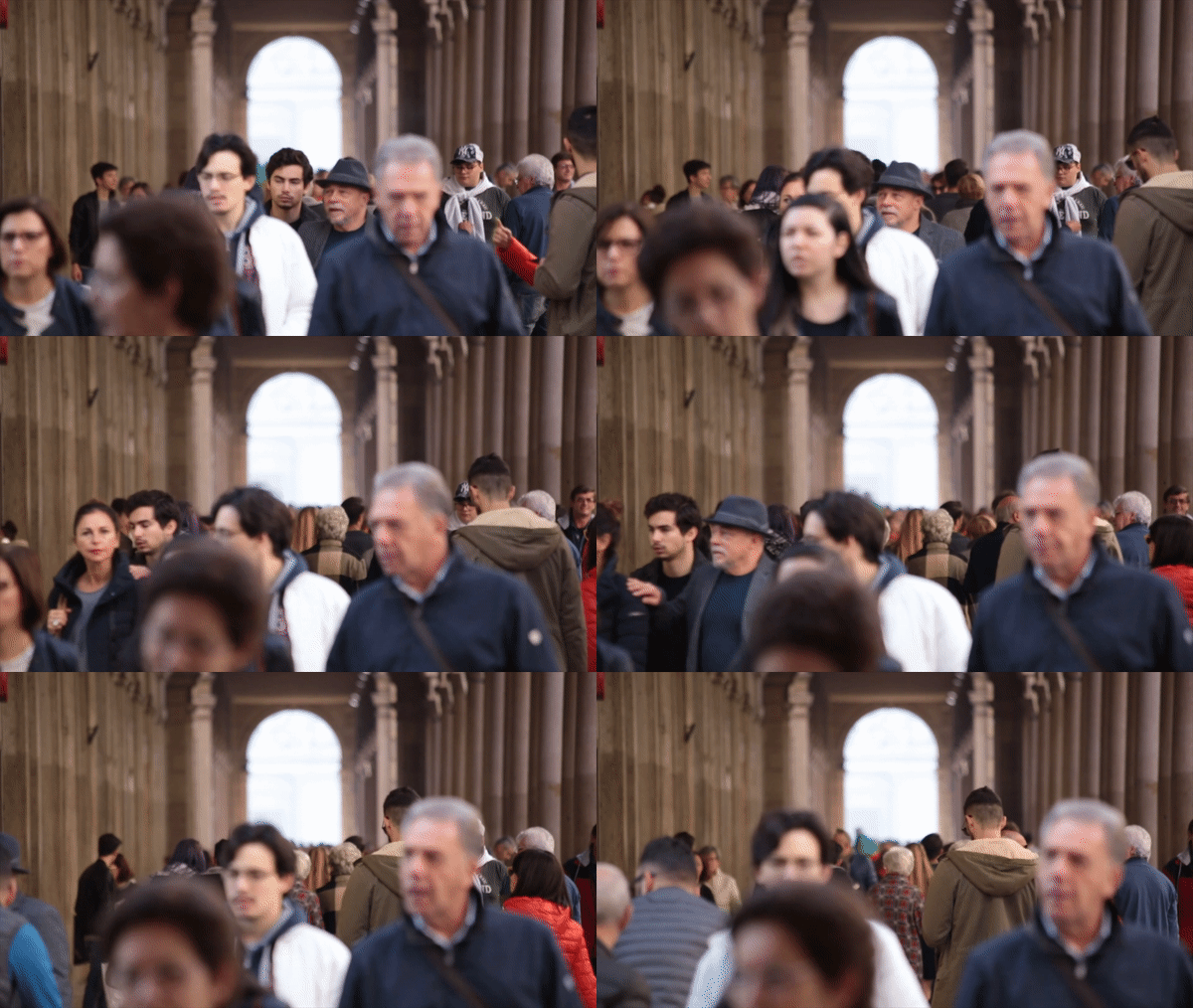
Common roles may include being a passer-by on a busy high street, a punter enjoying a drink at a pub, or perhaps a party-goer dancing the night away!
Being cast for an Extra means attending set, meeting other fellow Extras, all while being guided by a Crowd AD.
🔦 Featured Roles
While Featured Extra roles work in a similar way, they usually get a little more airtime and in addition, might be highlighted in some way.
Productions choose Featured Extras for a particular look or characteristic they want to highlight. This could mean opening a door, pouring a drink, delivering a parcel… or whatever the scene requires!

Featured Extras are sometimes asked to read a small amount of scripted dialogue. Others might be asked to perform a ‘creative reaction‘ (which means being filmed reacting to something that is happening in a scene).
And more good news… these roles also entitle you to a bump in pay compared to a standard Extra!
🎥 Stand-ins
Stand-Ins help the production team to prepare scenes before filming.
They might attend make-up and camera tests, help the creative team block scenes, or stand in while the crew tests the lighting. Essentially, they help production visualise how the finished scene will look.
Stand-Ins won’t appear in the footage used in the final cut of a TV show or movie themselves. They play an essential role so when ready, the principal cast member you are standing-in for can walk straight into frame and get to work!
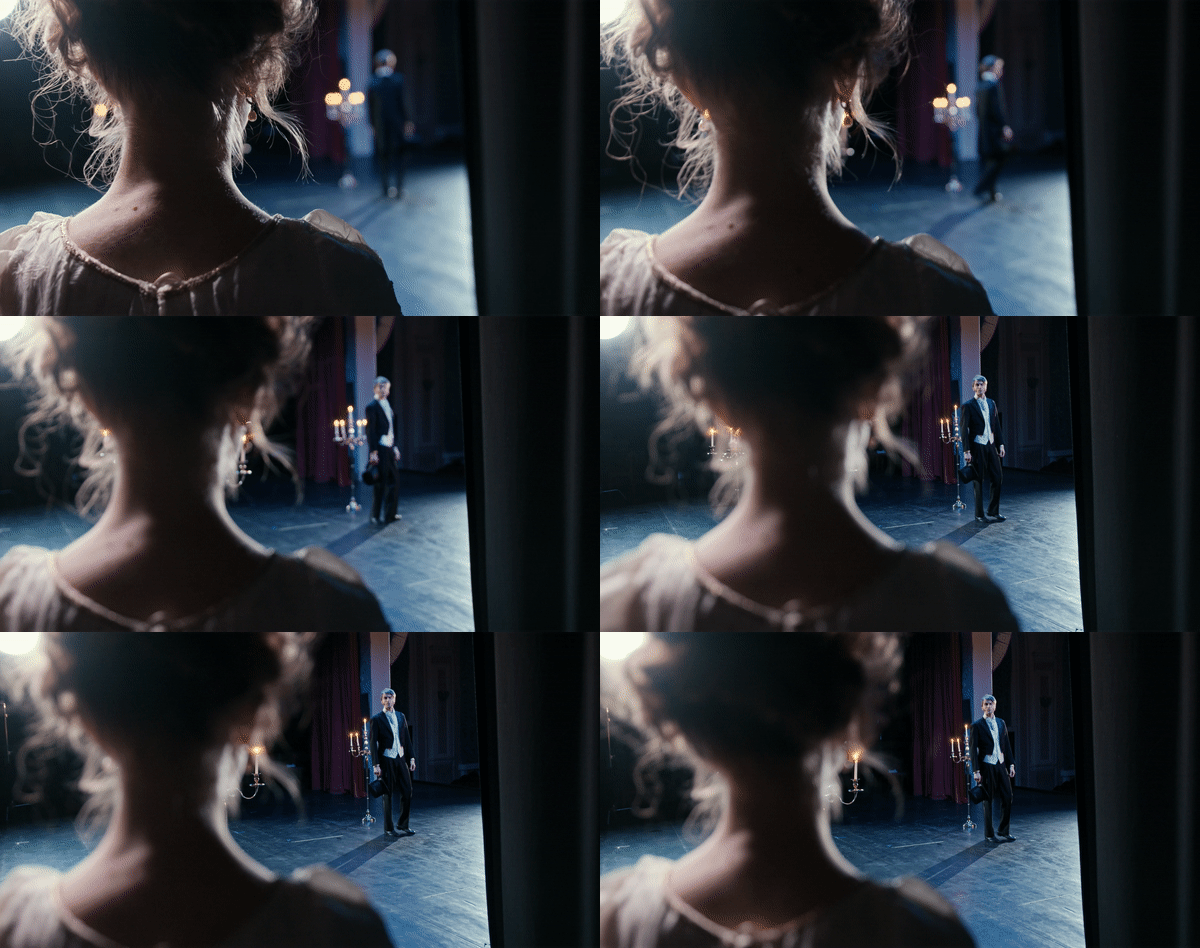
Because of this, it’s often very important that stand-ins match a particular look and costume size.
If your look is just right, production might even request that a stand-in stays on for the duration of a project to help with doubling shots moving forward!
Which leads us to…
👨✈️👨✈️ Body Doubles
Unlike stand-ins, Body Doubles are brought in as substitutes for main cast members during filming.
A Body Double will have their hair, make-up and costume styled to match the performer they are doubling for. They take instruction from the director.
Body Doubles are used for a variety of reasons – perhaps a lead actor plays multiple characters who appear in the same scene, or maybe the main actor’s time is limited.
A Body Double may even step in to perform on behalf of an actor, i.e. when they appear nude or exposed.
Doubles’ faces are almost always concealed, or later edited over in post-production, so the audience believes the lead was present all along!
That’s the magic of cinema.

When an actor is unable to perform the necessary skill needed for a scene, Doubles may also step in. This can include close-up shots such as hands, feet, legs, and the like!
This could include a Double doing something like playing an instrument, tap-dancing or penning calligraphy.
🥋 Stunt Doubles / ‘SPACTs’
Stunt Doubles are used for scenes where you see an actor galloping off on a horse, engaging in combat, or BMXing down a half-pipe. Anything that may prove dangerous for an untrained performer to attempt.
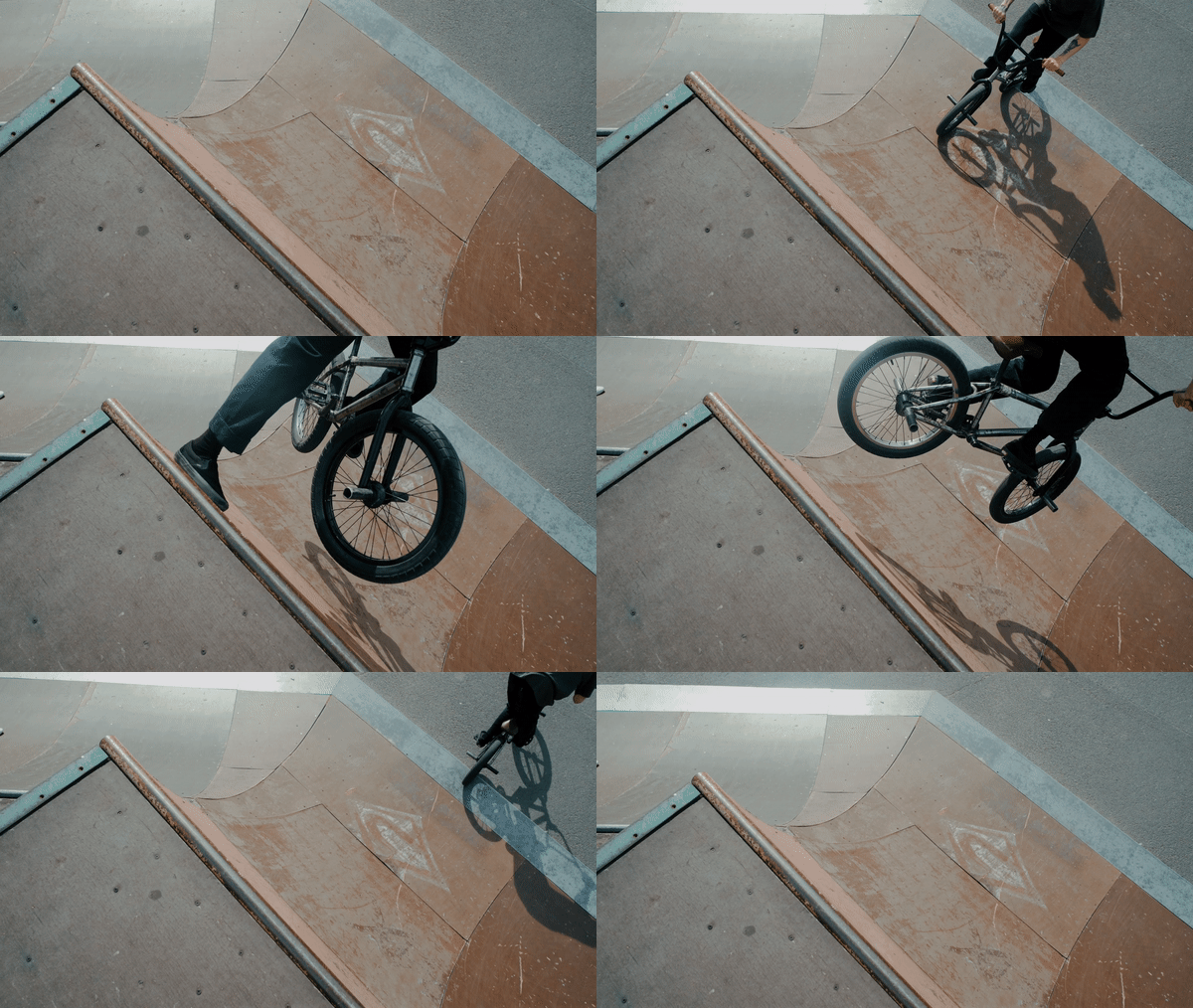
Just like Body Doubles, Stunt Doubles (or ‘SPACTs’) will be put into an identical costume to the actor they are stunting for. That way it’s very easy for us, as viewers, to maintain the illusion that the main actor is really performing the stunt.
(This will also usually involve concealing the Artiste’s face with clever camera angles and/or a hat, helmet or wig).
These roles are exclusively for trained specialists. ‘SPACT’ is an abbreviation of ‘Special Action‘.
This acronym indicates that an Artiste has particular experience that makes them equipped to perform a special skill safely, professionally and take-after-take (if required).
🤹 Skilled Artistes
Whilst Stunt Doubles are called upon for the shots that need to look as though they’re being performed by a main cast member, Skilled Artistes are their own unique characters.
They are cast for their ability to perform a certain skill and are used to give a scene some additional colour or action.
Think jugglers and firebreathers at a circus, or roller skaters confidently weaving down a boardwalk.
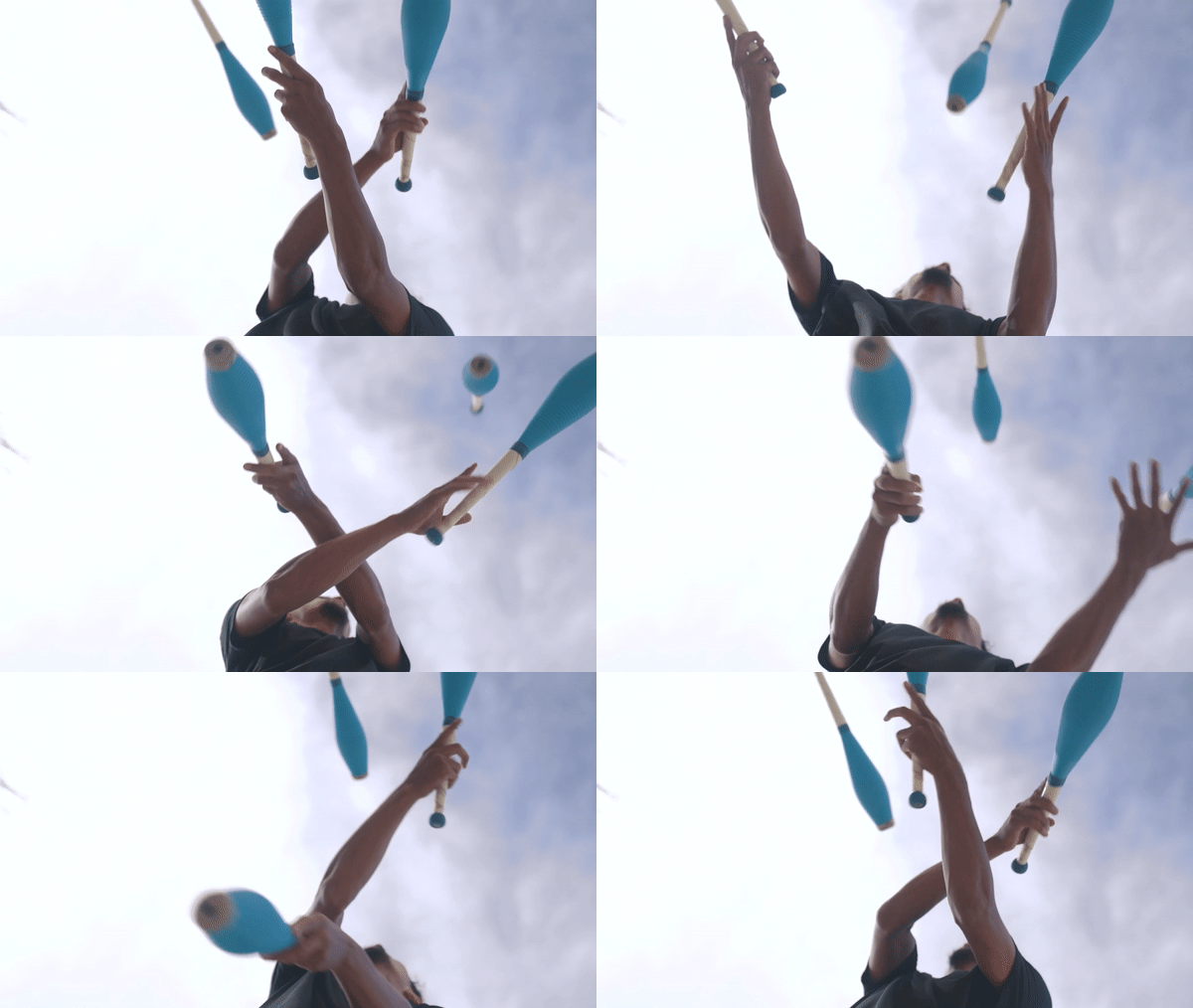
These types of roles arise very often. It’s extra important to make sure that your profile details all your skills and hobbies! And we’re not always talking professional-grade level…
Do you play amateur football? Did you take some ballet classes? Do you skateboard, make pottery or play the guitar?
If so, we want to know about it so we can find you in our database when new jobs come in!
Have a scroll through your profile’s Skills, Training and Sports sections (found under Personal Details), to familiarise yourself with all of the different types of experience you’ll benefit from listing on your profile!
Read up on more specially-curated Film and TV content?